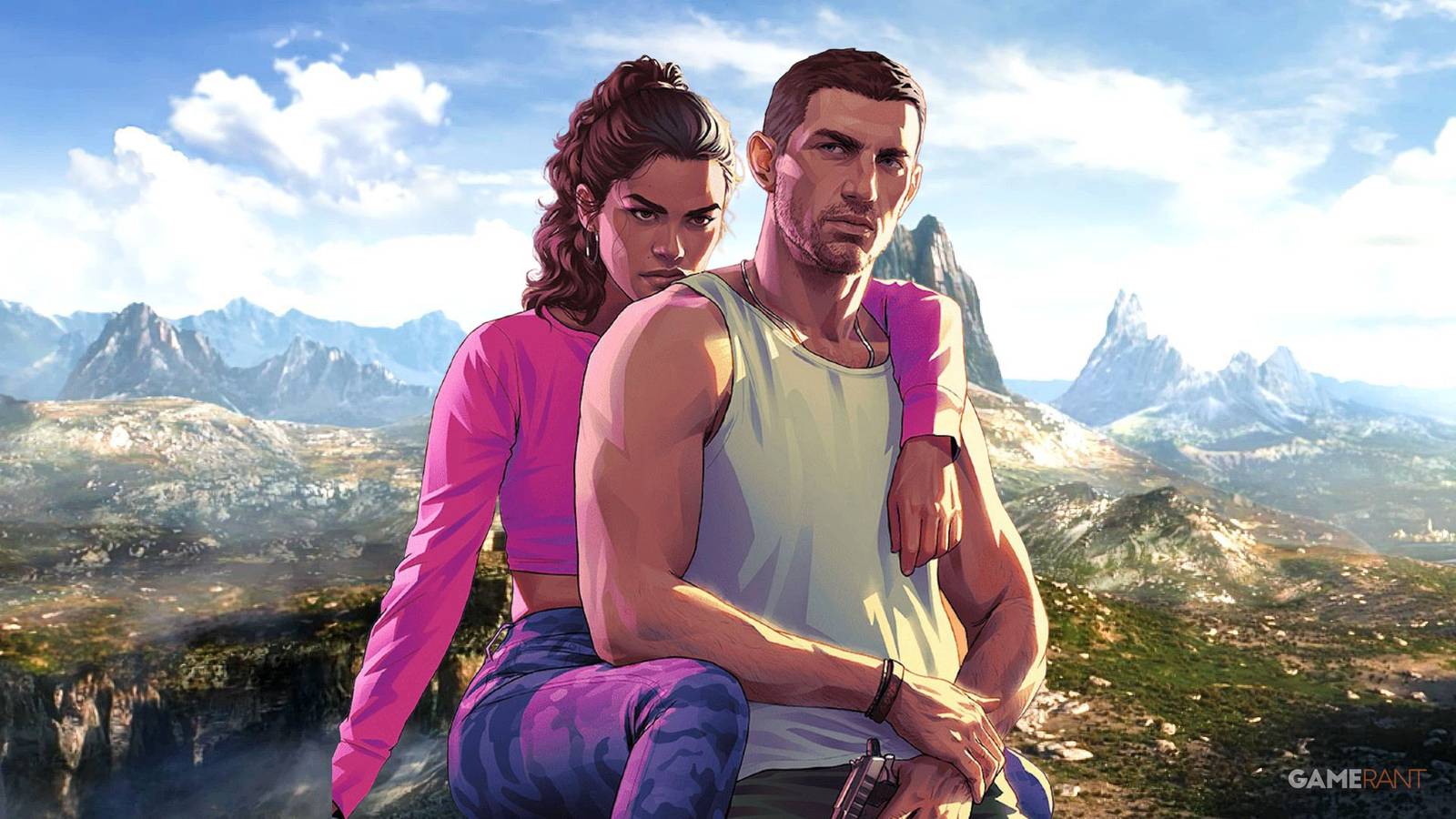
As the modern gamer knows all too well, video games can be fickle. You can wait years for a game, only to find it delayed – sometimes the end product isn't even worth it. Video games can sometimes follow unique marketing and launch strategies not shared by their film, television, or literary counterparts: games can be revealed years before their official release, sometimes up to ten years before. A typical strategy seems to be revealed and released within a year, but there are delays and some games have much longer cycles.
Why do video game companies do this? For example, why would Bethesda announce The Elder Scrolls 6 in 2018, only to say virtually nothing else about the game in seven years? The obvious answer is building hype, keeping players hooked even when the game is far from finished. This answer is based on the assumption that these notifications are for players, but since the loudest voices in gaming tend to disavow this early disclosure practice, you may be wondering why this is still happening. The truth is that this is happening because these notifications are not for you.
The real reason games are announced so soon
Notable AAA games that still haven't been released despite being announced years ago
- Grand Theft Auto 6
- The Elder Scrolls 6
- Project Orion (Cyberpunk 2077 continuation)
- Star Wars Eclipse
- Mass Effect 4
Publishers rely on investors to keep the lights on
Gamers may be the ones to fork over their hard-earned cash for the latest and greatest releases, but such releases usually can't happen if not for shareholders. Video games can't make money until they're released, but it takes years to go from inception to launch, during which time the developers are essentially bleeding money. In the case of larger developers such as Rockstar Games and Bethesda Game Studios, game development is funded by their respective parent companies, which are funded by individual investors, hedge funds, and private equity firms.
Let's look at GTA 6 as an example: Rockstar's publisher, Take-Two Interactive, is a public company whose largest shareholders are The Vanguard Group and Blackrock – two of the largest investment firms on the planet. These companies are not investing millions of dollars in Take-Two out of altruism; they are looking for a return on investment. In a publicly traded company, that return comes from the growth of the stock on which gaming hype has the most substantial impact. Game like GTA 6 it doesn't need hype for word of mouth marketing, it needs hype to attract investors and keep them on the line.
It is noteworthy that Take-Two CEO Strauss Zelnick said this GTA 6 won't be delayed again, just months before its last delay, and it's clear why: Take-Two's stock price dropped dramatically after the delay was announced.
Take-Two's stock is likely to skyrocket one day GTA 6 launch, it probably even grew over the following year, translating into massive profits for shareholders like Blackrock. But the same philosophy applies to games from private companies. Cyberpunk 2077 is a great example of this: revealed in 2013 and released in late 2020, Cyberpunk is often cited as one of the infamous cases where a company revealed its game too soon. Most likely, at least part of the motivation for this early disclosure was likely to pique investor interest and raise funds to make CDPR's vision a reality. It may seem backward, but usually a developer needs to make their game look great before they can start working on it in earnest.

Of course, there are a number of other factors that affect the development timeline as well. Management problems, world events, economic downturn and in cases like STALKER developer GSC Game World, real-world warfare can cause the game to take longer than expected to reach its destination. It's a multi-faceted industry, but as usual, the biggest motivator is money. Building trust with shareholders thus plays a key role in getting a game off the ground, and with game development taking longer than ever, it seems likely that extremely early disclosure could become even more common.
