Everyone has their favorite consoles. Over the lifespan of the systems, those opinions can change. For instance, you might be utterly unimpressed by the launch line-up of a console, but jump on board after a stream of must-have releases in the mid-to-late years of its cycle. By the same token, you might even regret a purchase, after a console’s strong launch isn’t followed up by much that really gets your gaming heart pumping.

Over 50% Of Game Rant Readers Won’t Be Buying A Steam Machine
It seems the GR Community will need a little more convincing to switch to Valve’s home console.
That’s the benefit of hindsight. If you buy a system after its run is over, not only can you potentially snag an amazing bargain, but you can also pick and choose the very best games ever released for it. Another benefit of hindsight is that you can rank some of the most beloved consoles ever on the strength of their video game libraries, which is exactly what we’re setting out to do today.
10
GameCube
Nintendo’s Underappreciated Purple Box
The Nintendo GameCube is in a curious position. During its time, it didn’t enjoy the reputation or the sales figures that it deserved from many. It was a different kind of entertainment system to its rivals, and it suffered for it. Long after being discontinued, though, the GameCube has started to be judged on what really matters: The strength of its games catalog and its overall importance in the company’s history.
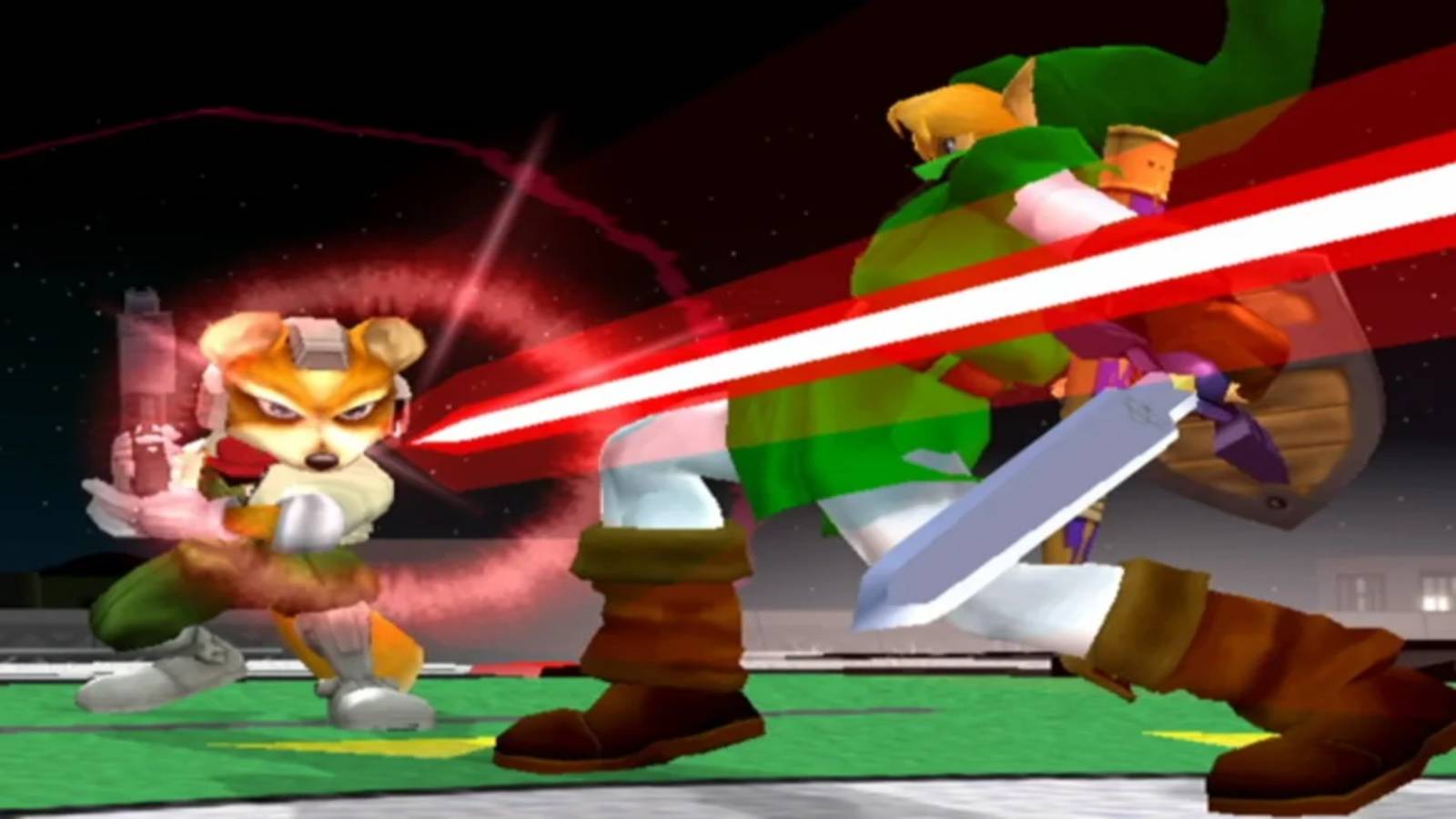
It’s been quite vindicating for the system, all told. The GameCube’s ranking here could have been improved if it didn’t miss out on so many big multiplatform titles of the generation, but that’s Nintendo and its third-party woes for you. It didn’t have the widest roster, and some of its biggest releases remain controversial (Super Mario Sunshine is still polarizing), but there were some wonderful games on offer here. From The Legend of Zelda: The Wind Waker to Super Smash Bros. Melee, from then-exclusive third-party releases that it did manage to attract (Resident Evil Remake, Eternal Darkness: Sanity’s Requiem) to the new IPs that began right here (Luigi’s Mansion), the GameCube had a bit of something for everyone. A rather small bit, though, sadly.
9
Xbox 360
A Focus On Specific Experiences
Xbox 360 seemingly had a particular modus operandi: deliver cinematic, dramatic experiences laden with setpieces. The FPS genre, in particular, was the system’s specialty, and between the pinnacle of the Call of Duty series and the much beloved Halo 3, it was the home of that kind of experience. The Gears of War series also debuted on this system, in 2006, with the rest of the original trilogy and Gears of War: Judgment joining it later. The catalogue absolutely suggests a ‘mature’ experience, a console for grown-ups who would deride Nintendo’s offerings for being too kiddy.
In defining itself as such, however, it perhaps led to a more limited range of games. Xbox 360 had a small range of genres that it was an all-but-perfect platform for, but it was rather limited in other areas. When it comes to exclusive RPGs, for instance, masterpieces like Lost Odyssey are exceptions rather than rules.
8
Game Boy Advance
An Enormously Influential Handheld
The leap from the Game Boy Color to the Game Boy Advance was an incredibly impressive one in 2001. The system had to redefine exactly what Nintendo could do in the handheld arena, and it delivered in spades, setting the stage for its dominance in that market for generations.

8 Game Boy Advance Games That Run Surprisingly Well
The Game Boy Advance had its limitations, but these impressive games succeeded in pushing the handheld to its limit.
It was astonishing to see how well some of the biggest games translated to the plucky handheld, with the likes of Tekken and Doom being ported in stripped-down but still technically impressive form. It also introduced some big Nintendo IPs such as WarioWare and the Western debut of the Wars games with Advance Wars. From such in-depth strategy to quality exclusive JRPGs, the GBA wasn’t afraid to try just about everything, continuing some beloved Nintendo series with the likes of Mario Kart: Super Circuit along the way.
7
Sega Genesis
A Sega Superstar
If you grew up on 1990s video games, you simply couldn’t get away from the Sega versus Nintendo console war. Whether you believed that the former really could do what Nintendon’t depends on your own preferences, but there’s no doubt that Sega Genesis was a formidable opponent for the SNES. It had the power to craft games that, when developed with loving care, still look fantastic today. The acclaimed Sonic the Hedgehog and its sequel are prime examples of that. It was a console that pushed its 16-bit capabilities to the limit, with other high-octane experiences including classic run and gun shooter Gunstar Heroes.
Arcade ports were a big factor that set the Genesis apart. To have Altered Beast or Golden Axe in your own home in cartridge form was an exciting prospect, though the extent to which they’ve aged will mean that this has rather limited appeal today. Of the two systems, SNES could beat it out in terms of iconic titles that are still just as playable today.
6
PSP
Great Promise And Potential
It was some time before the PlayStation brand entered the handheld market. The PSP hit Japan in December 2004, before rolling out around the world the following year. It was not a gaming-exclusive system like the Game Boy Advance, but one that could, through the magic of the Universal Media Disk, play whole movies. This was rather revolutionary two decades ago. Here, again, was the multimedia focus that Nintendo has always eschewed. What mattered in this case, though, was the games library, and there were some very technically impressive titles from a range of genres on the system.
Many of these have enduring appeal. Rhythm strategy series Patapon and Final Fantasy 7 companion piece Crisis Core are two examples of PSP classics that have recently been remade, and titles such as Monster Hunter Freedom Unite and God of War: Chains of Olympus demonstrated the ambition of bringing home console experiences to a handheld. Though the degree of success in that area was mixed (as it was with its successor, PS Vita), the PSP was an incredible achievement for Sony.
5
PlayStation 1
Sony’s Masterful Debut
The history of gaming would have been entirely different if that deal between Nintendo and Sony had been a success. As it was, the collaboration fell apart, which resulted in one of the biggest threats Nintendo has ever faced: the rise of the PlayStation. The original system, which first arrived in Japan in 1994, would grow to a global heavyweight with a fantastic range of games to its name.
Aside from its famous CD-playing interface, the PS1 was home to the original Crash Bandicoot and Tekken trilogies, Metal Gear Solid, so many legendary Final Fantasy games (through exclusive releases as well as ports), the early days of Grand Theft Auto and Tomb Raider, and so many more. A diverse range of true classics, and though they are considerably dated today compared to offerings for later PlayStation systems, few systems can claim a legacy as valuable as this one’s.
4
Super Nintendo Entertainment System
A Super Catalog Indeed
Many of Nintendo’s biggest fans today will have started their journey with the SNES. The successor to the Nintendo Entertainment System, which didn’t arrive in the United States until October 1985, it was clear exactly what made the system ‘Super’ when you looked at how far the industry had come by its own U.S. launch in August 1991.

SNES Games That Are Worth A Small Fortune Nowadays
If you have any of these games on the SNES, they could be worth a pretty penny.
The 16-bit rival to the Sega Genesis, SNES made innovative use of the Mode 7 technique, which allowed for perspective shifts that created visual depth. In titles such as F-Zero and Super Mario Kart, it gave an unparalleled impression of speed and movement on a ‘3D’ plane. Technology such as this ensured that the system wasn’t just a critical piece of Nintendo’s history, but had a vital influence on the development of the industry as a whole. The advancement from The Legend of Zelda to The Legend of Zelda: A Link to the Past and from Metroid to Super Metroid, to name but two, demonstrates what a paradigm shift this system was. It may not have as many different iconic titles to its name as some classic systems, but it boasts some fo the greatest games of all time and they’re as playable as they ever were.
3
Nintendo DS
The Little Two-Screened Gimmick That Could
Before the Nintendo DS’s release in 2004, it was a bit difficult to see how a two-screen setup would really fare. The main screen’s stylus functionality was also a bit of an oddity. There were definitely some titles, especially early on, that included these features just for the gimmick’s sake, rather than because they actually added anything much to the game in question. With time, though, it became clear just how much this system’s unique new talents could bring to the industry.
Between its microphone functionality, its two dual display, and touch controls, the DS changed how players interacted with games. WarioWare Touched!, for instance, used just about everything the system was capable of in ludicrous ways, as WarioWare tends to do, from slicing a drip from a snotty nose to clasping and shaking a tree. The microphone came into play in microgames such as whispering into a loved one’s ear. Some third-party developers were a little wary and stuck to things such as touch-screen menu controls, but the unique functionality of the system really came into its own when it was embraced. Kirby: Canvas Curse, for instance, revolves entirely around paths drawn for the little hero with the stylus. Other DS highlights, such as Advance Wars: Dual Strike and Days of Ruin, simply adopted intuitive touchscreen controls. So many of the system’s games are memorable because of the hardware as much as because of their quality (the Professor Layton series made some ingenious use of the system’s features in some of its puzzles), and that’s a very unusual quality. By contrast, the much-ballyhooed 3D effect of the system’s follow-up never really seemed essential to many games.
2
Nintendo Switch
A New Era For Nintendo
After the rather dismal failure of the Wii U, the Switch had a mountain to climb. It had quite a tricky start, too. The dock-and-undock feature was something of a gimmick, pre-launch, and the day one line-up was less than inspiring (standout title The Legend of Zelda: Breath of the Wild also being available for Wii U). Fortunately for the company, though, by the time its successor finally arrived in June 2025, the Switch had established itself as one of the most successful consoles of all time.
The system was blessed with perhaps the most generous third-party support a Nintendo system has ever seen, allowing Nintendo fans to play the likes of Overwatch, No Man’s Sky, Diablo 3, and The Witcher 3: Wild Hunt. This support would continue throughout its life, and while these ports are often distinctly inferior, their presence is appreciated. The Switch’s continued sales success would attract the biggest indie releases, collector’s edition physical titles, and first-party monster sellers from Mario Kart 8 Deluxe to Super Smash Bros. Ultimate. It’s far too early to know how Nintendo Switch 2’s legacy will match up to it, but it’s got a mighty games library to compete with.
1
PlayStation 2
A Monster Success, A Monster Library
By the time Sony’s first PlayStation came along, arch rivals Nintendo and Sega had been duking it out for over a decade. This newcomer, however, would be a roaring success. The question was whether it had the longevity as a console manufacturer (Sega would soon prove that it was ultimately running out of it). There was nothing to worry about on that score, because PlayStation 2, which first launched in the year 2000, would go on to become the best-selling console in history. A wide following, of course, requires an equally diverse library of games, and it’s arguable that no system has offered one as varied as PS2.
Franchises from TimeSplitters to Kingdom Hearts peaked on the PS2. It was also the system where so many gamers got their first tastes of Final Fantasy 10, Metal Gear Solid 3: Snake Eater, the groundbreaking Grand Theft Auto 3, Gran Turismo 4, the sequels to the classic Ape Escape, experimental experiences like EyeToy and its software, and so very much more. It was a phenomenal time to be a gamer, and the system (much like its successor) is still beloved for the depth and quality of its lineup.

The Best FPS Games On The PlayStation 2, Ranked
The PlayStation 2 is one of the most successful video game consoles of all time. Here are the best FPS games available on the system.
