The year 2000 marked a watershed period for anime, characterized by a bold desire to play with different animation styles, genres, tones, and unique stories. The anime of this era were either masterpieces of pure art or a complete misfire, but even the most iconic series are prone to a clumsy slip that could ruin their legacy. Such friction generally occurs when a production catches up with its source material or attempts a radical tonal shift that throws off mainstream audience expectations.
To spot these outliers, one needs to have a keen eye for narrative consistency and a sensitivity to the balance between innovation and distraction, and thankfully anime fans have that. The whiplash effect, when an ambitious show takes a drastic turn or a survival horror suddenly descends into abstract philosophy, can leave a lasting impression on the viewer's mind. These specific examples where the quality has dropped to a much lower level than the series' norm give us an opportunity to admire the fragility of the so-called ideal anime run.

The 15 Best Anime Masterpieces of All Time, Ranked
These amazing anime are absolutely perfect in every way.
Gantz (2004)
Episode 26: “Please Live!”

Gantz was a harsh, nihilistic world that lived and thrived on its ruthless display of human nature in the most extreme conditions, making it a dark horse for adult audiences. But the final episode made a drastic shift into the original anime space, completely abandoning the manga's inner survival thinking. The decision to go psychedelic and abstract in the confrontation and offer no concrete answers or closure basically washes away the tension that was so subtly built up in the previous twenty-five high-stakes chapters.
This sudden change to a disorienting, surreal ending left fans feeling disconnected from the fate of the main characters at the most crucial point. Rather than a proper conclusion to match the brutal aesthetic of the series, viewers were greeted with a cloud of narrative confusion that rendered the entire match as oddly pointless. The quality of the stories dropping dramatically in these final scenes is another major point of contention, as it reminds us how cheaply a definitive ending can be ruined by missing a creative path to follow.
Samurai Champloo (2004)
Episode 12: “The Disorder Diaries”

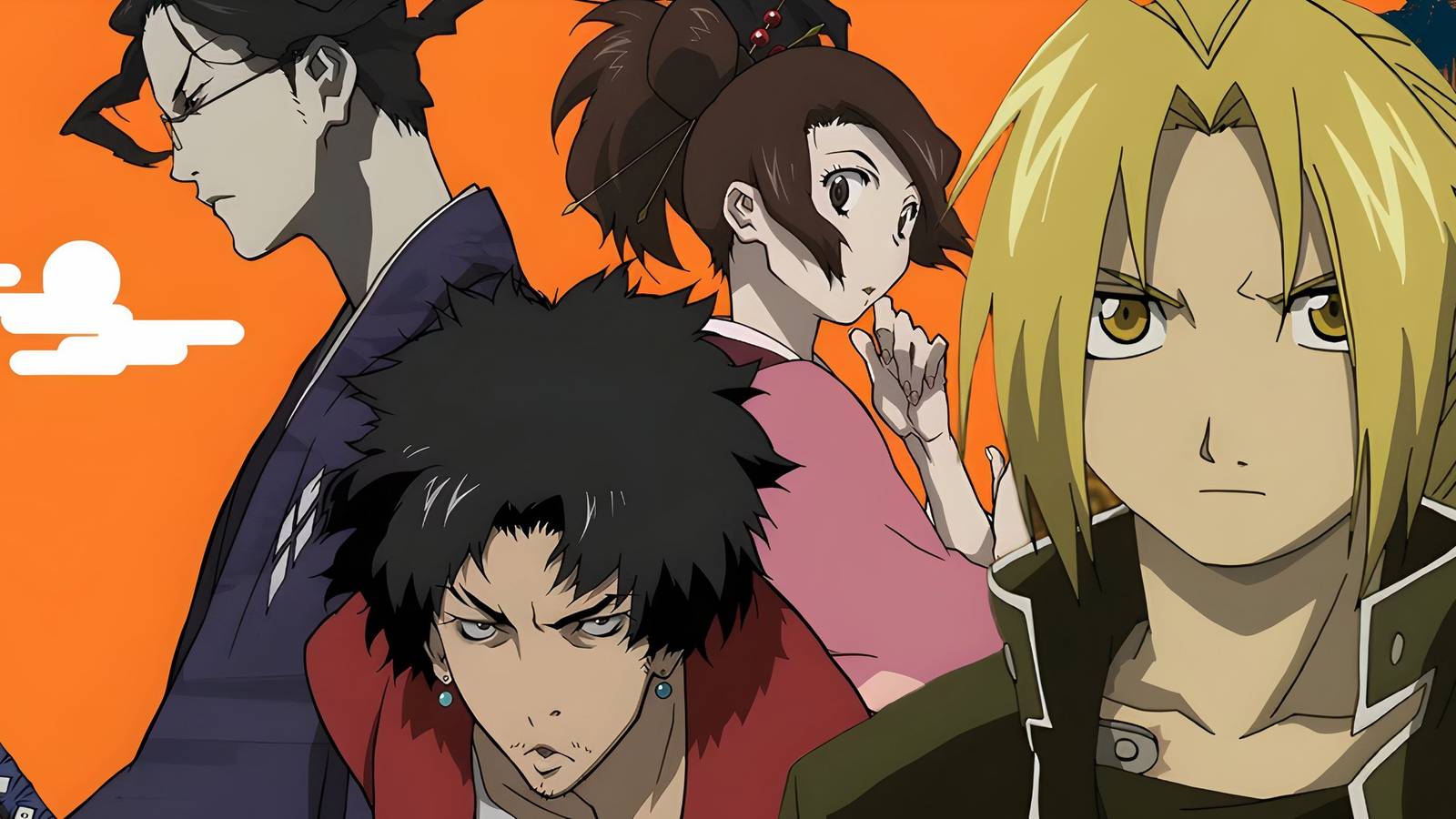
Samurai Champloo is hailed as even more stylish Cowboy Bebop from 2000, but even this masterpiece succumbed to that most frustrating trap of the era: the “bad episode.” Just as the “Samurai Who Smells like Sunflowers” quest was getting some serious emotional charge, a regular recap episode brought the pace to a halt.
Back in the days of non-streaming, such an inclusion seemed like a waste of time for fans, as it didn't provide any additional information about the plot or the cast of the main characters Jin, Mugen, and Fuu. Although the series picked up its pace in future episodes, this particular episode can be considered a blemish on an otherwise perfect series.
Eureka Seven (2005)
Season 3, Episode 32: “Start It Up”

The world building and the fact that the relationship between Renton and Eureka builds slowly is often touted as being complex and the reason this mecha romance is so sprawling. However, viewing was drastically cut short when the series was interrupted by a one-episode football match. Although the episode had high user ratings, many fans and critics thought it completely abandoned the main story for a short period of time.

Best Anime Since 2000, Ranked
From Fullmetal Alchemist to Skip Beat and Samurai Champloo, the best anime of the 2000s are simply great shows of all time.
While such a personal play by the Gekko crew was quite understandable, the timing was unfortunate considering the severity of the impending global war and the severe psychological trauma the young protagonists were going through. The show has lost its prestige sci-fi drama identity temporarily by investing more in the friendly sports format than the dire existential issues the story presents.
Hellsing (2001)
Episode 13: “Hellfire”

Matching all the absorbing power and dark charisma of Alucard, the original Hellsing the adaptation was very good at capturing the gothic, atmospheric feel. However, this caused problems when the series ran out of source material and had to come up with a final antagonist that couldn't have any of the depth that was already present in the manga. The ensuing battle with a generic supernatural foe was shockingly shallow compared to the political and religious intrigue that once characterized the high-stakes conflict between the Hellsing Organization and its many rivals.
This imaginative twist led to an ending that felt more like a typical action show than a rare psychological horror masterpiece. The fact that the main cast didn't get any significant resolution meant that the entire fight was a wasted chance to make the characters develop naturally. So the history of this particular adaptation would never be clouded by its failure to land and would eventually result in a complete reboot many years later.

Hellsing: How powerful is Alucard?
Alucard is one of the most powerful vampires to ever walk the earth. What makes him so powerful?
Episode 37: “The Flame Alchemist, Bachelor Lieutenant and the Secret of Warehouse 13”

The darker tone of the 2003 adaptation Fullmetal Alchemist was highly praised by fans, which is the exact reason why a filler episode felt so out of place. This particular episode, a slapstick comedy-based quest to find out what caused the mystery in the warehouse, felt completely outside the looming danger of the Homunculi and the Elric brothers' personal quest.
The episode lost the impact and depth of the main cast by placing the theme of a trivial comic misunderstanding at the center of the episode. This momentary departure from the show's original themes of sacrifice and redemption left a strange void at the heart of the compact narrative run. It's also a reminder that even big-budget anime can lose track when trying to add some levity to a world that's essentially characterized by its serious emotional and philosophical concerns.
Elfen Lied (2004)
Episode 10.5: “Rain Shower”

Elfen lied it is known for its extreme violence and shocking contrasts compared to other anime of its time. But the special OVA—often thought of as a kind of in-between episode—was over-endowed with a moe aesthetic, resulting in a tonal collision that seemed almost parodic. With such an emphasis on everyday household mishaps and melodramatic typography, the episode lacked the sense of dread that usually came with the show.

19 of the most twisted dark anime series
Dark psychological anime vary in content, but provide touching and memorable stories. Here are some of the most twisted anime series.
Fans felt like they were watching a completely different anime instead of a run-of-the-mill dark psychological horror. The absence of stakes that Diclonius' threat implies, as well as the visceral impact of their lives, made the narrative hollow and off track. It didn't add any meaningful layers to Lucy or Kouta's stories, but offered a shallow experience, like a generic harem anime, temporarily stripping the series of the creepy atmosphere that made it so successful in the first place.
Who is that character?
Identify the silhouettes before time runs out.
Start
Identify the silhouettes before time runs out.
Easy (7.5s) Medium (5.0s) Hard (2.5s) Permadeath (2.5s)
