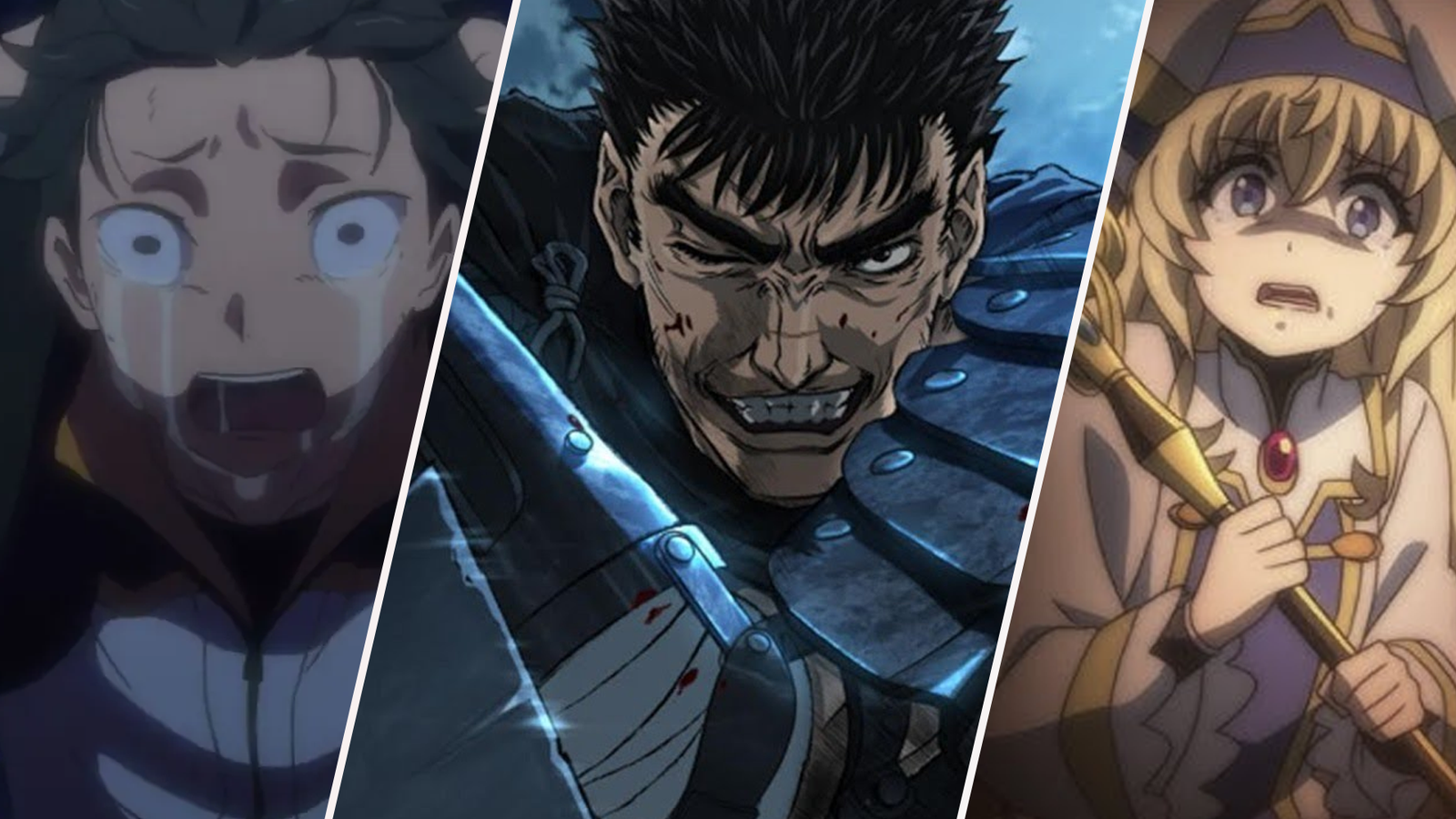
Controversy can be the price of popularity. Anime as a medium has never escaped the clutches of controversy. Tons of anime cross the line with extremely graphic content, cultural insensitivity, and even industry issues such as censorship, use of artificial intelligence, inappropriate creator behavior, dark themes, inappropriate scenes, or international culture clashes.
Anime fans are no strangers to controversy, especially when it comes to the end of a series. Some controversies are worth the heat, like when Amazon came under fire for using artificial intelligence to create English dubs Banana fish and The Vinland Sagaor when Devilman Crybaby (2018) was called out due to the show's extreme violence, but others may split the fandoms in two.
The best anime endings that leave fans wanting more
A lot of anime have trouble landing, but these endings were so good that fans were asking for more.
6
Uzaki-chan wants to hang out! (Poster/Design Controversy)

Uzaki-chan wants to hang out! is a Japanese rom-com/slice of life anime with two seasons. Uzaki-chan is the story of a college student, Hana Uzaki, who discovers that her high school senior, Shinichi Sakurai, attends the same school as her. While watching Shinichi, she discovers that he is a loner and makes it her mission to date him. In 2019, Uzaki-chan caused controversy for a campaign poster released in collaboration with the Japanese Red Cross to promote blood donation.
The poster featured Hana Uzaki in a black shirt with a tray of drinks balanced on one hand with the text, “Senpai! You've never donated blood before? Maybe…you're afraid of needles?” Critics have lashed out at the Japanese Red Cross Society, accusing them of objectifying Uzaki. This led to huge online drama where fans had to argue that Uzaki was a fictional character. The debate intensified when some fans started creating their own patched and redesigned versions of Uzaki.
5
Goblin Slayer (Episode 1 Outrage)

Goblin Slayer series is a dark fantasy/adventure anime that aired between 2018 and 2023. It takes place in a world where goblins wreak havoc, Goblin Slayer is the story of a 15-year-old priestess who joins a guild of young adventurers to investigate the disappearance of women when her team's luck runs out due to an already set trap. In their confusion and Goblin Slayer he suddenly arrives and kills all the goblins.
Goblin Slayer Episode 1 caused extreme backlash due to its brutal, unexpected sexual violence and gore. The episode features goblins murdering men and assaulting women. Many fans felt that the bloodshed, ambushes, and violence came too soon and were also unnecessary in the anime. Defenders argued that the scene was necessary to set the tone and show how dangerous the goblins are and how it establishes the titular goblin slayer's relentless desire to wipe them out.

-

Yuichirō Umehara
Goblin Slayer
-
-
Nao Toyama
High Elf Archer
-
Yuichi Nakamura
Dwarven shaman
4
The Rising of the Shield Hero (Slavery/False Accusation Plot)

Just like Goblin Slayer, The Rising of the Shield Hero had its own share of controversy, starting with the first episode. Four players are transported to a fantasy universe (Melromarc) as heroes to protect the kingdom. Each is equipped with different weapons: sword, spear, bow and shield to defend the kingdom from the waves of enemies that constantly threaten it. Among the four heroes is Naofumi Iwatani, whose weapon is the Shield.
Because his weapon is for defense and not offense, Naofumi is marked as the weakest. Soon the other three trip him and the only one left with him is Malty. Malty later revealed herself to be Princess Malty S. of the Melromarc Kingdom and subsequently falsely accused Naofumi of assaulting her. She also stripped him of his belongings. Malty's betrayal and accusations turned Naofumi into a social outcast. When he was alone, he bought the demi-human slave Raphtalia from a slave trader. He later gets an egg that hatches into a bird monster and names it Filo.
The Rising of the Shield Hero garnered serious controversy as critics argued that the false accusation storyline was problematic and reflected harmful stereotypes of the real world. Critics also argued that the slavery plot promoted misogynistic themes and justified slavery. Fans and defenders argued that critics who heavily attacked the show only watched the first episode and did not see how the plot points were addressed. They explained that the series was more about the trauma of betrayal, the dangers of systemic corruption, and character growth in a hostile environment, rather than the promotion of real-world misogyny or slavery.
3
Berserk 2016 (CGI Edition)

Crazy 2016 is a dark fantasy anime series based on Kentaro Miura's manga series of the same name. Crazy 2016 is the second manga TV series adaptation. The first anime adaptation of the same name was released in 1997. This is the story Gutsa swordsman who attracts demons because of the demon mark on his neck. His goal is to exact revenge on his former best friend, Griffith, who is responsible for his demonic mark.
Controversy in the series stems from the use of 3D computer-generated imagery (CGI). There is no doubt that the visual quality is poor and can even be passed off as an old video game instead of a modern anime, but some fans felt that it was over the top to the point where people claimed that Crazy he was completely invisible, which is not true. The CGI looks bad, but it doesn't ruin the plot. CrazyThe animation also improves after the first three episodes.
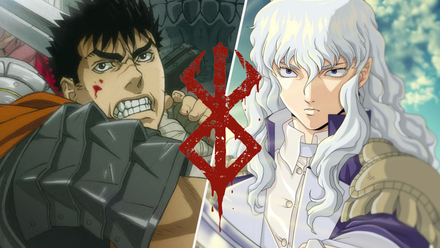
After 3 years, Berserk's best version will be “To Be Continued” in the official update
The best way to experience the Berserk series is to finally return – but there's a catch.
2
Re: Zero (Subaru's behavior in Season 1)

The first season Re:Zero – The beginning of life in another world aired in 2016 and caused serious controversy during Arc 3 (episodes 13-18). Re: Zero is the story of high school student Subaru Natsuki who is suddenly summoned to another world. While searching for his summoner in the new world, he is attacked and later rescued by a silver-haired girl. Still in the new world, Subaru is attacked and killed. He resurrected at the same place he was summoned, and after his resurrection he noticed that he had the ability “Death Return”.
The explosion in this series centered on the protagonist Subaru, who critics called arrogant, entitled, manipulative, annoying, and antisocial. Some anime fans have gone so far as to call for his character to be cancelled. Defense attorneys argued that Subaru's behavior was designed to be cruel to draw attention to the psychological damage caused by his circumstances.

- Release date
-
2016 – 2025-00-00
- Network
-
TV Tokyo, AT-X
- directors
-
Hiroyuki Tsuchiya, Kazuomi Koga, Yoshito Mikamo, Masaharu Watanabe, Yoshinobu Tokumoto, Masahiro Shinohara, Hideyo Yamamoto, Manabu Okamoto, Takashi Sakuma, Daisuke Takashima, Naoko Takeichi
- Writers
-
Yoshiko Nakamura
-
Yusuke Kobayashi
Subaru Natsuki (voice)
-
Rie Takahashi
Emilia (voice)
1
Mushoku Tensei: Jobless Reincarnation (Protagonist's Morality)

Mushoku Tensei: Reincarnation Without Work is a 2021 Isekai anime based on the Mushoku Tensei light novel series written by Rifujin on Magonote. Mushoku Tensei follows Rudeus Greyrat, a 34-year-old slacker who has been reincarnated with his past memories intact. He was a lowlife pervert in his past. The series came under fire after the first few episodes featured Rudeus (a mental adult) groping his cousin while she slept.
Critics said the show forced you to follow a morally broken character instead of a fantasy hero. Defenders argued that while Rudeus was trash, the story portrayed the slow process of Rudeus unlearning his disgusting habits and selfish tendencies. Some fans claimed that the outburst came from people who hadn't seen the entire show, or who confused the Light Novel Redundancy chapters with the main anime adaptation.

- Release date
-
January 11, 2021
- Network
-
Tokyo MX, KBS Kyoto, BS11
- directors
-
Sayaka Tsuji, Yoshitsugu Kimura, Ayumu Uwano, Yui Kanbe, Takahiro Tamano, Chihiro Kumano, Ouri Yasukawa, Mihiro Yamaguchi, Michiru Itabisashi, Kento Shintani, Nao Miyoshi, Shingo Fujii, Asahi Oka, Fumiaki Katao
- Writers
-
Kohei Urushibara, Atsushi Takayama, Hirohisa Saito, Muneo Nakamoto
-
Yumi Uchiyama
Rudeus Greyrat's former self (voice)
-
Tomokazu Sugita
Pilemon Notos Greyrat (voice)
