Other PlayStation and Xbox consoles could come out later than expected thanks to the ongoing RAM crisis. While PC gaming has borne the brunt of the consequences of the lack of AI-driven RAM, a shadow has begun to loom over consoles as prices continue to skyrocket. In the midst of this massive market shift, there are reports that PlayStation and Xbox may be re-evaluating their next-gen release windows in hopes of some relief in the future.
It all started in October 2025, when two major RAM manufacturers agreed to dedicate a large portion of their memory to the OpenAI data center expansion project. As the deal limited available supply, some consumer RAM prices more than tripled, and the problem has gotten worse since then. More memory makers have shifted their focus away from the consumer and gaming markets to serve the booming AI industry, and if this continues, console companies could feel the same pressure.

Rumors: Xbox consoles could soon see another price increase
A gaming industry insider says Xbox consoles could face another price hike, and lays out the reasons behind Microsoft's decision.
Xbox and PlayStation could delay next-gen consoles to weather RAM shortages
According to a report from Insider Gaming, console makers are reportedly debating whether to delay their next-gen platforms due to this shortage. While consoles typically use a specialized form of memory separate from what gamers find in PCs, they still need RAM, and companies usually source it from the same suppliers, since most of the chip manufacturing is handled by just a few manufacturers. As a result, companies like Sony and Microsoft are also feeling the effects of more RAM going towards AI applications, which could cause production bottlenecks or increase costs. With the next-gen Xbox and PS6 reportedly targeting a 2027 launch, it's possible the shortage won't be resolved by the time these consoles are released, so a delay may be necessary to avoid price increases.
A recent report from Micron stated that RAM shortages could persist beyond 2026 as it will take time for more clean rooms to be built to support higher memory production. If that's the case, it would almost certainly affect the PS6 and the future Xbox if Sony and Microsoft were to start production in early 2027, as current rumors suggest. As Insider Gaming points out, consoles have historically subsidized their prices through game sales, but if RAM costs climb high enough, that may not be enough to offset the cost, especially considering how the next generation will already be expensive to produce. Waiting to settle terms would help Sony and Microsoft avoid passing on higher costs to consumers.

In the past, console companies raised prices to offset their own costs. Sony, Microsoft, and Nintendo have all done it, but repeating the same strategy this time may not be in their best interest. After months of relatively low numbers, sales of video game hardware hit a 30-year low in November 2025, even as the Switch 2 flew off the shelves. Given this dramatic drop in consumer spending and recent price increases in the gaming industry, further increases in console costs could drive away customers and hurt sales more than the Xbox or PlayStation is comfortable with. Waiting until they can justify lower costs to the end user may pay off in light of this pressure.

So far, neither Sony nor Microsoft have commented on how the RAM crisis might affect their next-gen console plans. However, a release delay seems a real possibility, as does a price increase if the console companies hold nothing back. This may seem scary, but depending on how the industry reacts, the current generation may last longer. For now, however, the future is uncertain, and things are looking increasingly cloudy for the next-gen PlayStation 6 and Xbox as RAM prices continue to rise.
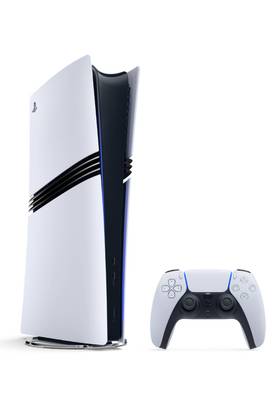
- Mark
-
Sony PlayStation
- Original release date
-
November 7, 2024
- Original MSRP (USD)
-
$749.99
- Processor
-
AMD Ryzen Zen 2 (8 cores, 16 threads, 3.5 GHz)
- Resolution
-
Up to 8K
- HDR support
-
Yes
Source: Insider Gaming
