A problem we see in every competitive ecosystem is the idea of toxic optimization; every player and/or team wants to win, so they will use a proven strategy that will give them the best chance to do so. It doesn't matter how good the game balance is; there will always be a few strategies that are more consistent and therefore better than others.
We see this in League of Legends where professional players have entered the same champions over and over due to the consistency of those picks. This was originally addressed by banning champion picks, but this became less effective as the champion list grew. Then Riot introduced Fearless Draft and mandated that the same champion could not be picked twice during a multiplayer series, which was a huge hit with viewers.
Optimal is not always beautiful

Even in a traditional sport like football, we see Arsenal leading the Premier League despite playing football that many would consider negative. The “band-aid” in this case would probably be to tighten the rules for corner pushing and limit strategic time wasting. A lot of teams and athletes have won by playing optimally, not the prettiest way.
Trading card games suffer from this problem even more acutely than other competitive activities because the random nature of card drawing requires consistent win conditions that can be achieved in a variety of ways. In other words, packages with a lot of tools will always outperform unusual/configuration-dependent packages on a large enough sample size.
Riftbound is currently dealing with this problem: Draven represented 35 percent of 'Day 2' decks in both the Bologna and Vegas regional qualifiers. Perhaps you could forgive the game for some imbalance since only two sets were released; a small pool of cards usually favors a few strong strategies because the counter strategies have not yet been released.
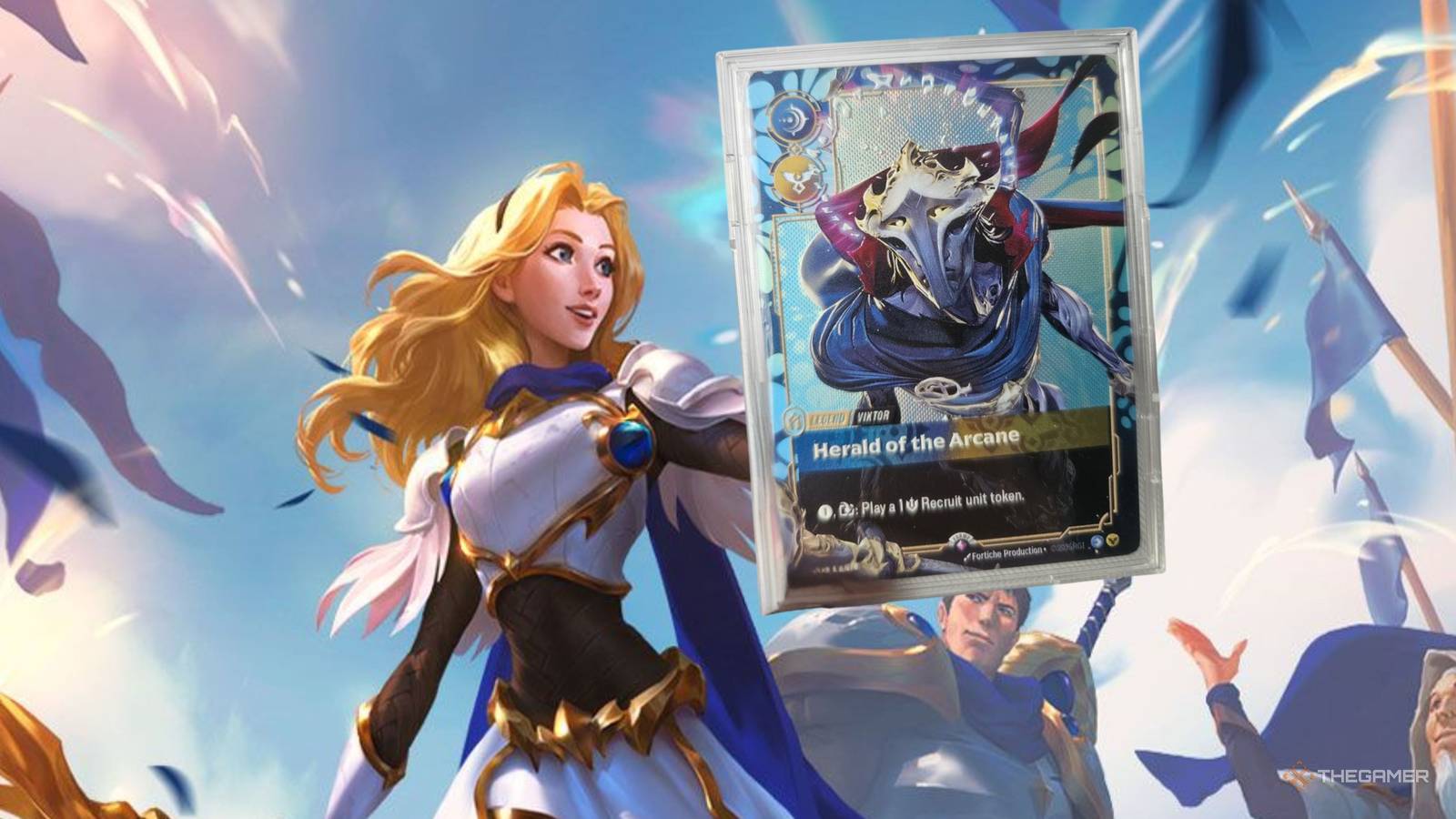
Not everyone rocked up to Bologna and Vegas with the best decks, though, and that's because Riot introduced an alternative incentive to Riftbound competitions: metal cards. These are metal versions of champion legends, awarded to players who achieve the highest ranking in a tournament with a specific champion legend. Not only are they just plain cool, but a few of them have also sold for over $20,000.

For example, Garen is a terrible champion legend. You will rarely run his legend ability as putting a large number of units on a single battlefield is a surefire way to wipe the entire board and his champion unit is mediocre at best. And yet eight people rocked up to Vegas and played Garen. Garen's top player, Duality, finished as low as 362nd in the tournament, still earning a metal card.
This Riot scheme has ensured that every champion legend is represented in regionals, despite the clear dominance of a few decks. It presents a different goal for players who want to play unconventionally – sure, I didn't win the tournament, but I'm Leona's best player here.
It also makes it easier for off-meta decks to make deep runs in the tournament. You may have started looking for a metal card, but the wins have started to pile up and a deck that everyone believed to be underpowered is now fighting for the championship. We haven't seen anything completely unexpected yet, but several players other than Draven, Irelia, and Ezreal—considered the top three decks in the current meta—have cracked the top eight in both Bologna and Vegas.
We saw Miss Fortune (Sebiqq) make eight in Bologna, Viktor (Ghosterdriver) four in the same tournament, and Jax (theeverybestgamer) make eight in Vegas. I guarantee that one day we will see a scenario where a deck that people thought was weak makes it to the finals of a big region.
There are also additional perks to reward the best off-meta decks. It drives content production and connects people who are passionate about the same package. We saw League of Legends personality Nick “LS” De Cesare win the metal card for Teemo in Vegas after he really struggled on the second day of the tournament.
All it takes is one trick pony culture in League of Legends and you'll have players desperate to make their Teemo deck work, driving them straight to players who have a proven track record of winning with Teemo, i.e. metal card players. Diversifying Riot's goals creates more authority in the community, spreading engagement and discussion.
The metal cards are a very good idea to keep the competition from going stale, and are a strong sign that Riftbound will be here for a long time as a viable alternative to Magic: The Gathering and other competitive trading card games.
- Original release date
-
2025
- Designers
-
Dave Guskin (Game Director)
