Summary
- Video game developers face fickle industry instability, leading to bankruptcies & acquisitions.
- Well-loved studios like Neversoft, Black Isle, & Bizarre Creations met unfortunate ends.
- Successful developers like Pandemic & Ensemble struggled under parent publishers before closing.
For an industry as large as video gaming has been for decades, it remains a somewhat fickle and unstable business at the developer level. Developers can enjoy years of huge success, yet still find themselves only one flop or acquisition away from no longer existing, much to the dismay of employees and gamers everywhere.

Related
Best Final Games By Defunct Studios
These studios may be no more, but at least they went out with a bang by publishing these final, successful video game titles.
Many video game developers that are forced to shut down are responsible for some of the most acclaimed games of all time. Some had so many legendary titles on their resumes that it’s saddening for gamers to witness their beloved childhood and adulthood companies go under, and this trend continues into the 2020s.
Updated April 4th, 2025, by Melody MacReady: It is always a sad time for gamers when video game development studios are either bought out and dissolved or fall into bankruptcy. This situation not only results in talented employees losing their jobs but also leads to the cancelation of upcoming games. The future of existing games becomes uncertain, which can result in them being delisted from all services or never receiving a follow-up. Unfortunately, this trend has continued, with multiple companies facing layoffs and complete closures in recent years. While some studios have found new life under different parent companies and publishers, others have met unfortunate ends for various unfortunate, and sometimes unforeseen, reasons.
12
Neversoft Entertainment
Changed Skateboarding And Superhero Games Forever
- Founded: July 1992
- Defunct: July 10, 2014
In the late 90s and 2000s, Neversoft Entertainment launched to great heights with Tony Hawk’s Pro Skater and its various spin-offs, such as Tony Hawk’s Underground and Tony Hawk’s Project 8. Many gamers have noticed that the franchise went down in quality after Neversoft stopped making them.
Neversoft spent most of its final years developing Guitar Hero sequels, helping redefine rhythm games for an entire generation, but before that, they had worked on multiple action games, including the beloved Spider-Man game on the PS1 and the underrated open-world Western epic Gun. Unfortunately, Neversoft Entertainment became one of many companies absorbed by Activision-Blizzard, resulting in it closing and becoming part of Infinity Ward.
11
Black Isle Studios
The Fallout Series Wouldn’t Exist Without Them
- Founded: 1996
- Defunct: 2003
These days, most people associate the long-running Fallout franchise with Bethesda, but the credit for creating the franchise originally belongs to Black Isle Studios. Many key individuals from Black Isle later established Obsidian Entertainment, a developer that has achieved remarkable success and continued the Black Isle legacy in many ways with games like Fallout: New Vegas and The Outer Worlds.
In their prime, Black Isle Studios produced several classic games in addition to the original two Fallout titles. They also brought the Baldur’s Gate series to life, culminating in Baldur’s Gate: Dark Alliance 2. Unfortunately, the company ultimately collapsed due to financial difficulties, which led to the original cancelation of Baldur’s Gate 3, long before Larian Studios rescued it.
10
Core Design
The Original Creators Of Tomb Raider
- Found: May 13, 1988
- Defunct: March 17, 2010
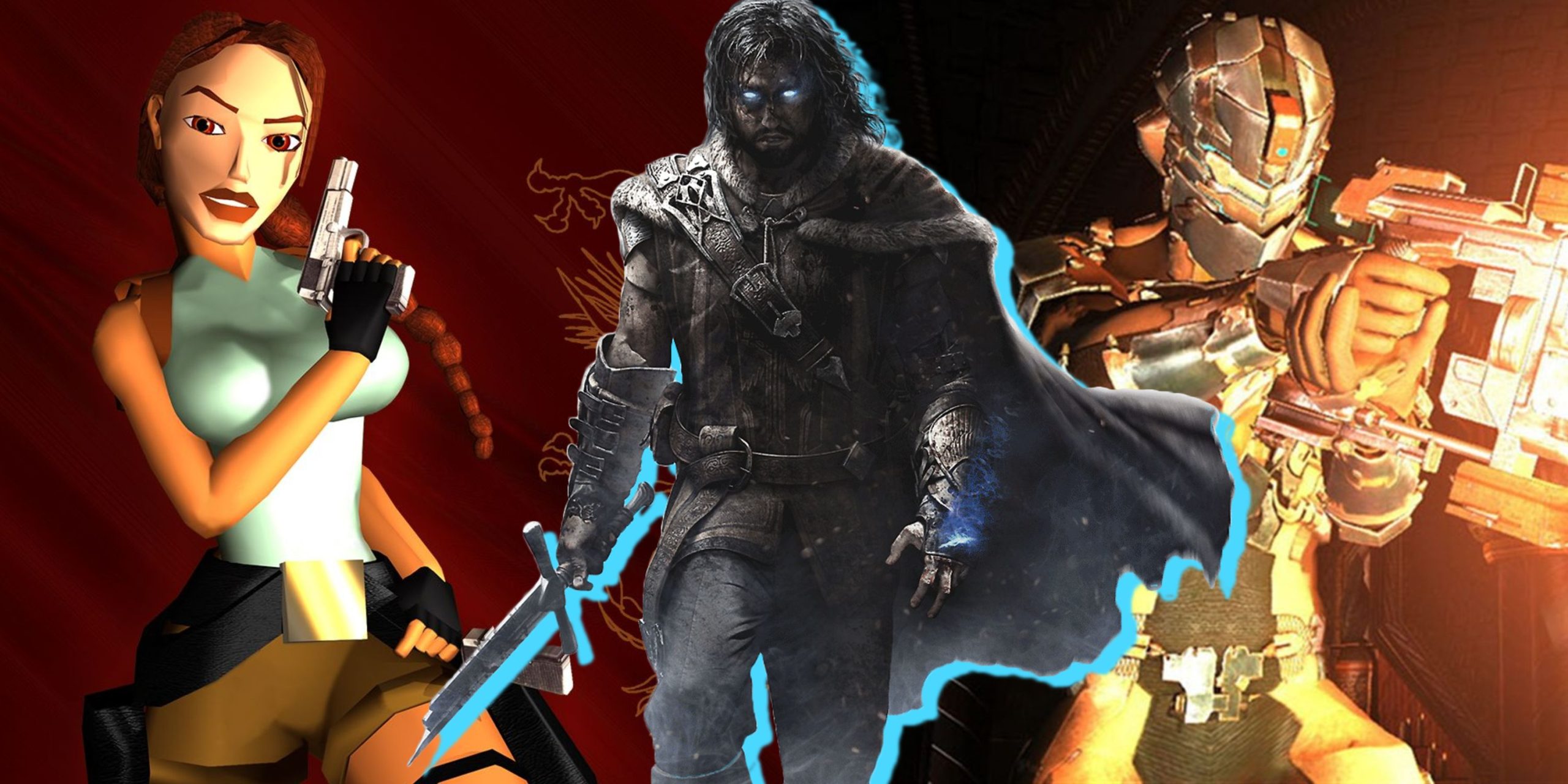
Core Design is now perhaps most well-known as the developer that created Tomb Raider, sending Lara Croft off on many adventures that would transform her into an iconic video game protagonist. However, the publisher Eidos demanded Core Design crank out new Tomb Raider games every year, which gave the developer a bad reputation and resulted in poor titles like Tomb Raider: Angel Of Darkness.
Before finding success with the treasure hunter and her spelunking adventures, Core was responsible for early cult classics like Rick Dangerous, Chuck Rock, and even a 1990 Monty Python game. Sadly, the poor reception of Tomb Raider: Angel Of Darkness would lead to Core Design slowly but surely dissolving until the company closed its doors and Tomb Raider was passed on to Crystal Dynamics.
9
Bizarre Creations
High-Speed Races And Super Spies Had A Bright Future
- Founded: 1988
- Defunct: February 18, 2011
This is another case of Activision-Blizzard absorbing a game developer into their Call Of Duty machine. It’s an infuriating trend, especially when it happens to a developer like Bizarre Creations, who created some of the best racing games of all time with its Project Gotham franchise, Formula 1, and the often-overlooked 2010 combat racing title Blur.
5:52

Related
8 Best Racing Games From The 2000s
These are some of the best racing that debuted in the 2000s gaming era.
Bizarre Creations would take a minigame from Project Gotham Racing 2 and turn it into its own spin-off franchise with Geometry Wars. Their final project, James Bond 007: Blood Stone, would show off what they could do with action games, creating an original James Bond story starring Daniel Craig. Unfortunately, Activision being the publisher resulted in the company closing because no other publication studio would buy it from them.
8
Westwood Studios
One Of Many Studios To Be Dissolved By Electronic Arts
- Founded: 1985
- Defunct: March 31, 2003
Westwood Studios, founded in 1985, created the Command & Conquer series, hence why that beloved strategy game series is rarely seen outside re-releases and remasters. Westwood also developed the Eye of the Beholder games, the Dune 2 video game, 1997’s Blade Runner point-and-click adventure, and many others.
Along with Blizzard and other developers, Westwood is one of the pioneers of the real-time strategy genre and didn’t deserve to be shut down after just a couple of lean financial years. Their parent company, Electronic Arts, dissolved Westwood Studios and reformed it as EA Los Angeles, which would also shut down years later.
7
Pandemic Studios
Multiple Action Franchises Were Created By Pandemic
- Founded: 1998
- Defunct: November 17, 2009
Formed by industry vets who were responsible for games like Battlezone and Dark Reign, Pandemic Studios spent a couple of years working on sequels to existing franchises before releasing Full Spectrum Warrior, its first original IP. Soon after, the studio shook off its RTS roots by venturing into open-world action with the Destroy All Humans! franchise, which is still popular today thanks to its recent remakes.
Arguably, Pandemic Studios’ greatest hits were Star Wars: Battlefront and Star Wars: Battlefront 2, which paved the way for Star Wars multiplayer shooters and would even inspire a reboot series by EA and DICE later on. Their last few games were originals that would become cult classics, including The Mercenaries and the open-world World War 2 game, The Saboteur. Pandemic Studios would then be bought out and shut down by Electronic Arts.
6
Ensemble Studios
Pushed Boundaries With RTS Games
- Founded: 1994
- Defunct: January 29, 2009
Another company known for their advances in real-time strategy gameplay, Ensemble Studios’ contributions to the then-fledgling genre were the Age of Empires series, and the well-received Halo RTS spin-off Halo Wars. The latter game would prove to be the company’s last endeavor, despite positive critical praise and sales high enough to warrant a sequel.
It is said that Ensemble had as many as six games in various phases of development when they were shut down, including Titan, a supposed Halo-based MMO. Titan would eventually change directions under Blizzard and be completely overhauled to become the hero shooter, Overwatch, and its sequel.
5
Origin Systems
Legendary Games Created By Industry Veterans
- Founded: March 4, 1983
- Defunct: February 2004
Origin Systems employed many prominent figures in gaming throughout its 21-year history, contributing to major titles like Doom, Deus Ex, and World of Warcraft. The studio was primarily known for its significant work on the Ultima franchise, which included the groundbreaking game Ultima Online. In addition, Origin created the legendary Wing Commander series and collaborated with LookingGlass Technologies to develop System Shock.
In many ways, Origin Systems was ahead of its time, continuing to work on several Ultima titles until 2004. Unfortunately, the company faced mismanagement from its parent organization, Electronic Arts, which ultimately disbanded the studio. This decision led to the cancelation of various anticipated projects, including Harry Potter Online, Privateer 3, and Ultima X: Odyssey.
4
Midway
Helped Create The ESRB Rating System
- Founded: November 1, 1958
- Defunct: June 9, 2010
After over thirty years of developing and publishing games, Midway Games had to close in 2010. They were behind arcade classics such as Space Invaders, NBA Jam, Defender, Joust, Rampage, and many more. However, one of their biggest hits of all time was the Mortal Kombat franchise, which helped create the ESRB rating system because of the controversy surrounding its blood and gore.

Related
Mortal Kombat: 10 Best Story Modes In The Franchise
Story and characters are a big part of what fans come for in Mortal Kombat games, from the spin-offs to the mainline entries.
Midway would even go on to create a few hidden gems in its later years, including the SpyHunter reboot, Stranglehold, Psi-Ops: The Mindgate Conspiracy, and Area 51. Unfortunately, a series of financial problems led to the company selling off its properties one by one, and eventually closing its doors completely, with Mortal Kombat games moving on to Warner Bros. to be developed by the then-new NetherRealm Studios.
3
Visceral Games
Dead Space Changed Horror Games In The 2010s
- Founded: 1998
- Defunct: October 17, 2017
Beginning as EA Redwood, Visceral Games first exploded onto the scene with Dead Space. It mixed elements of Ridley Scott’s Alien, John Carpenter’s The Thing, and Capcom’s Resident Evil 4 to create an instant hit of a sci-fi horror game that would spawn a franchise of games, animated movies, novels, and more.
After EA Redwood became Visceral Games, they developed Dante’s Inferno, Dead Space 2, and Dead Space 3. However, Dead Space 3 would be the nail in their coffin because, even though it was a financial success, it wasn’t as loved by critics or fans. Electronic Arts let Visceral Games sit for years before finally dissolving them, forcing the team to form their new company, Striking Distance Studios, who developed a spiritual successor to Dead Space titled The Callisto Protocol.
2
Silicon Knights
Financial Problems Resulted In An Unfortunate Bankruptcy
- Founded: 1992
- Defunct: 2014
Silicon Knights originally made a name for themselves with Blood Omen: The Legacy of Kain, but would eventually become known for making Eternal Darkness: Sanity’s Requiem, one of the only horror games exclusive to the Nintendo GameCube. They were also in charge of Metal Gear Solid: The Twin Snakes, a remake of the original Metal Gear Solid.
The team at Silicon Knights impressed gamers enough, which allowed them to continue, resulting in games like Too Human, which received lackluster reviews. However, their biggest downfall was X-Men: Destiny, a game that initially had many ambitious ideas for a Marvel action RPG, but budget cuts resulted in a game that was barely a third of what they wanted and was almost universally panned by gamers and critics alike, leading to the company going bankrupt.
1
Monolith Productions
A Bright Past And Future Squandered By Warner Bros.
- Founded: October 25, 1994
- Defunct: February 25, 2025
In 2025, fans were looking forward to the Wonder Woman game by Monolith Productions, but it was canceled after Warner Bros. closed the studio as part of a new direction for their game development. Monolith Productions has a long list of classic games under their belt, from Aliens Versus Predator 2 to the F.E.A.R. games, mixing first-person action and horror effectively.
The company was also famous for the Middle-Earth: Shadow of Mordor series, which implemented the patented Nemesis system that generated new enemy relationships, dynamics, strengths, weaknesses, names, and designs for every playthrough. This was going to be used in Wonder Woman, but now fans have to wait for the day that the beloved DC character gets her own game.

More
10 Superheroes That Would Be Perfect For Open-World Games
Batman: Arkham games are great, but they are the seed that should bloom into other open-world superhero games like Captain Marvel or Superman.
