Just a week ago, the pan-European age rating body for games, aka PEGI, announced some major changes to the way games are rated. More specifically, the new categories that will be implemented that focus on addictive content and paid in-game content such as loot boxes, the types of content that dominate some of the most popular games around, such as Fortnite.
“This is, in terms of scale, quantitatively speaking, probably the most significant update we've had in our history,” PEGI CEO Dirk Bosmans said. “We noticed that our initial narrative about how these things can be approached is clearly not enough anymore, so more needs to be done.”
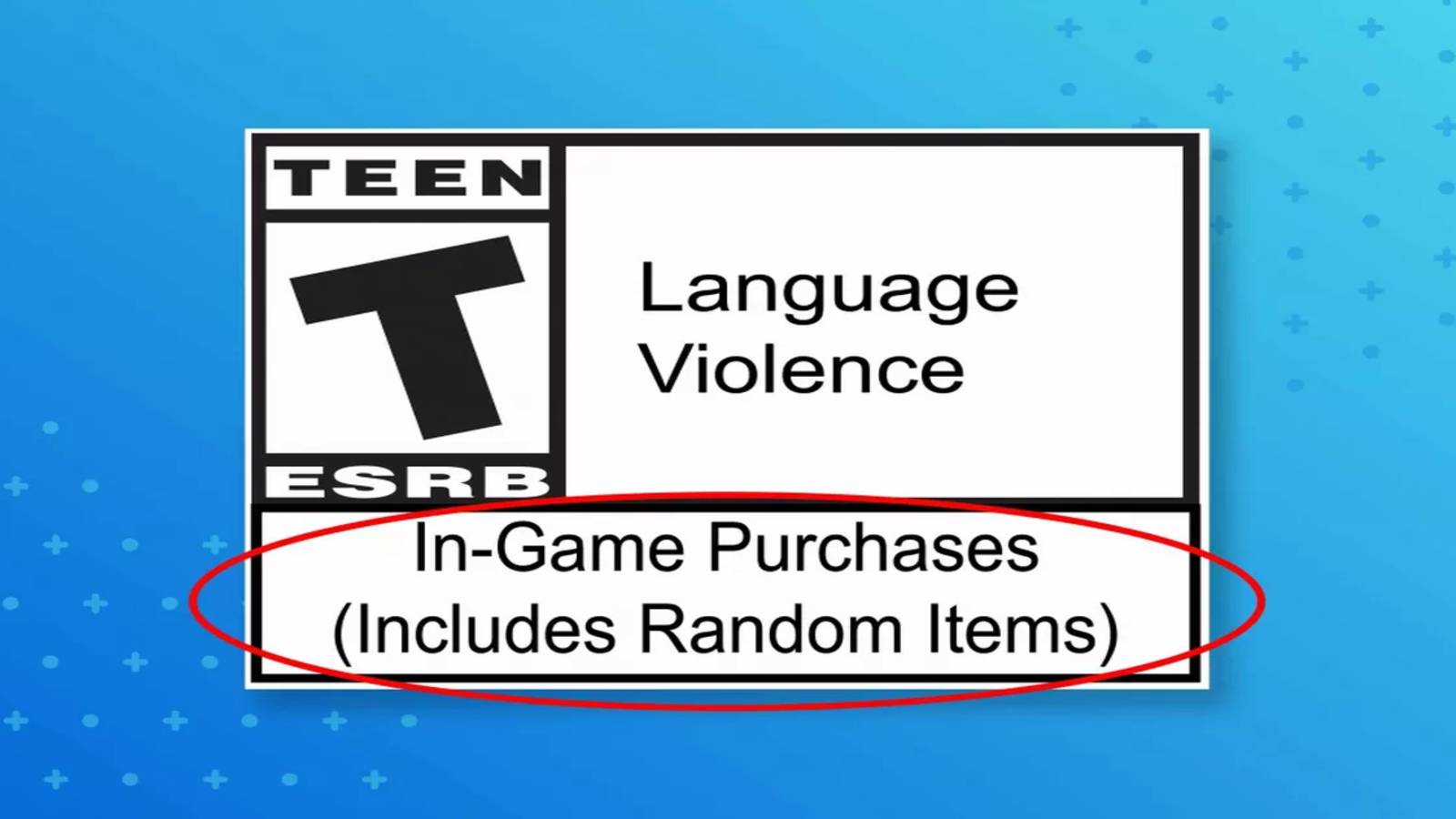
But don't expect the Entertainment Software Rating Board, or ESRB, America's equivalent of PEGI, to follow suit with updated guidelines for rating the titles it oversees.
As first noted by Eurogamer and as part of The Game Business discussion, the biggest reason the ESRB won't follow PEGI's lead is that it could end up being “confusing” for parents. For now, adding tags to games, the group believes is the best way to handle the situation.
“The ESRB's research suggests that parents want advance notice of features such as online communication and the ability to spend real money on in-game purchases, but that it could be confusing if non-content-related features affect rating category assignments,” a spokesperson said. “At this time, the ESRB does not plan to allow for any factors outside of the game's content and context to assign an age rating.”

PEGI CEO says he might let his teenage son play Grand Theft Auto 6 based on new ratings
The CEO of PEGI anticipated the question and answered honestly.
PEGI understands the concerns and complexity of the rating system.
“We are aware of the concerns expressed by the ESRB. When we add this, are parents losing information?” PEGI CEO Dirk Bosmans said. “You want to inform them both about the content and context of the video games. But when you include both of them in the age rating, you have to realize that you may not be able to provide all the levels of detail that you have provided beforehand. This is a difficult exercise.”
That's why PEGI didn't include details about existing legacy software, as it's something “we want to get right,” Bosmans said. It doesn't help that some of the games that would fall into these new categories are constantly being updated, so things can inevitably change.
“We can't keep checking our back catalog,” Bosmans said. “But we've tracked the presence of in-game purchases and paid random items over the past seven years, which gives us a very interesting database.”
So what do the new PEGI ratings look like?
When these changes come into effect in June, the following categories will be considered:
-
In-app purchases
-
Limited time or limited quantity items will fall under this. It could potentially encourage developers to add features that disallow purchases, which would offset the drop in their ratings.
-
-
Paid random items
-
Basically it's loot boxes and everything related to it like gacha or card packs.
-
-
Play by appointment
-
This category will look at games that reward players for coming back and punish them if they end their daily login streak. This could include battle passes.
-
-
Online community
-
This will mainly focus on games that have unlimited communication, or those that do not punish bad behavior.
-
All of this will take place in June, and some of the biggest games around are already figuring out how they'll rank under this system, including Fortnite or EA Sports FC, as well as others we didn't think could be categorized that way.

Two decades later and Final Fantasy 12 was still bizarrely ahead of its time
One of Final Fantasy's most divisive entries is almost old enough to drink.
