At one point it was impossible to have open worlds in games because the technology wasn't there yet. After that, open worlds were not only introduced, but started to become very common. Now, these days, they are everywhere. In fact, there may be too many of them now, as they've started to be relegated to series that don't really need them.
Some series have a certain gameplay style or tone that doesn't fit in an open world setting. For example, the following series would be better off avoiding open worlds altogether.
Burnout

In the first Burnout games, you picked different events and races from the menu and just did them. However, things have changed in Burnout Paradise. Now you are venturing into the open world called Paradise City and going straight into the events.

10 Video Game Series That Should Never Go Open World
Imagine an open world where every corner could lead to an animatronic jump scare
It's fine at first because driving in the game is fun. However, after a while it gets a little tiring to go to specific parts of the map to start a race. Additionally, because of this setup, every event takes place in Paradise City, which means that the odds aren't very varied. Paradise is still a good game, but it doesn't have to be an open world game.
Gears Of War

Gears of War never went completely open world, but much of Gears 5 has you traveling around a large area on a skiff to complete basic side quests.
It's not a game-breaker, but it feels like an unnecessary part of a third-person shooter. It actually slows it down quite a bit and a lot of it feels like padding. It was an attempt to do something different, but it's nothing better, so it didn't need to be done.
Mirror edge

The original Mirror's Edge is a great first-person parkour game that was very different from many other titles at the time. Part of what makes the game great is the fast movement and overall fluidity of the game.
This flow is significantly interrupted when you put the adventure into an open world, which the developers did for the sequel Mirror's Edge Catalyst. It is set in a beautiful open city full of parkour possibilities. Jumping around the place can be fun, but the lack of fluidity and lack of focused level design make it a poorer experience.
Final Fantasy

Some would argue that Final Fantasy has always been an open world series. However, this is not the case in reality. The first games give you large open areas to explore, but progression is still very linear and many things are blocked until you reach a certain part of the story.
This means that some recent Final Fantasy games are indeed open source, such as Final Fantasy 15 and Final Fantasy 7 Rebirth. Unfortunately, these open worlds aren't fun to explore and feature uninspiring quests and activities. The series did better with the mix of linear progression and wide open spaces that many of the early titles were known for.
Dynasty Warriors

Dynasty Warriors is a series known for its fast-paced hack-and-slash action where you take on huge groups of enemies at once. Just from this description of the series, you'd probably guess that the move to an open-world environment probably wouldn't work too well.
Still, the developers tried it with Dynasty Warriors 9. It didn't work. DW9 doesn't have the hectic, fast-paced feel of previous games, as you spend your time wandering around a fairly dull open world.
Mass Effect

It wasn't much of a surprise that the Mass Effect series ended up going the open world route. After all, the first few games have several large areas to explore, so a fully fledged open world was a natural progression. And this development took place in Mass Effect Andromeda. Now, there are a few issues with Andromeda in general, but the open world elements don't really help.
The worlds you travel to don't have many interesting things in them. And naturally you spend a lot of time just doing uninspired side quests. Also, the less linear nature of the adventure hurts the overall narrative.
NBA 2K

The idea of an open world sports game is a bit strange. Yet that's what 2K has been including in its NBA series since NBA 2K21. It's called The City and it's one big online place with other players from all over the world.
Strangely enough, a MyCareer mode is integrated into this MMO-like city. So the single player mode revolving around the career of a basketball player is set in an open world. Some may like it while others find it boring and want to play basketball in basketball career mode. Why 2K feels that MyCareer needs an open world component is unclear.
Dragon Age

The first two Dragon Age games offer experiences similar to open-world titles, but not quite. Instead of a large world to roam around, the adventure is set in a series of small self-contained hubs, especially in the first game. However, the Inquisition opens things up. You still have a collection of separate worlds, but each one now feels like a separate open world. Each of them has its own quests and people. In addition, you can return to those places as you like. In fact, you are encouraged to do so.
Unfortunately, these worlds are infested with quests and a lot of boring travel. Perhaps making Inquisition more linear would make for an even better game. After all, it's good despite the open-world elements, not because of them.

Metal Gear Solid 5: The Phantom Pain has an interesting take on the open world. Almost every operation in the game takes place on two maps. For each operation, you fly into the area where it is to be completed. Once you arrive, you are now technically in an open world and can go around and do other operations.
However, many players simply perform the operation they chose from the menu and return to base to start another. It's more time consuming, but it often feels more natural to me instead of trying to sneak to the other side of the map for another operation. And another operation is the only reason to explore these maps, because there's basically nothing else there. The developers should have stuck to the linear formula that worked in all the other Metal Gear games.
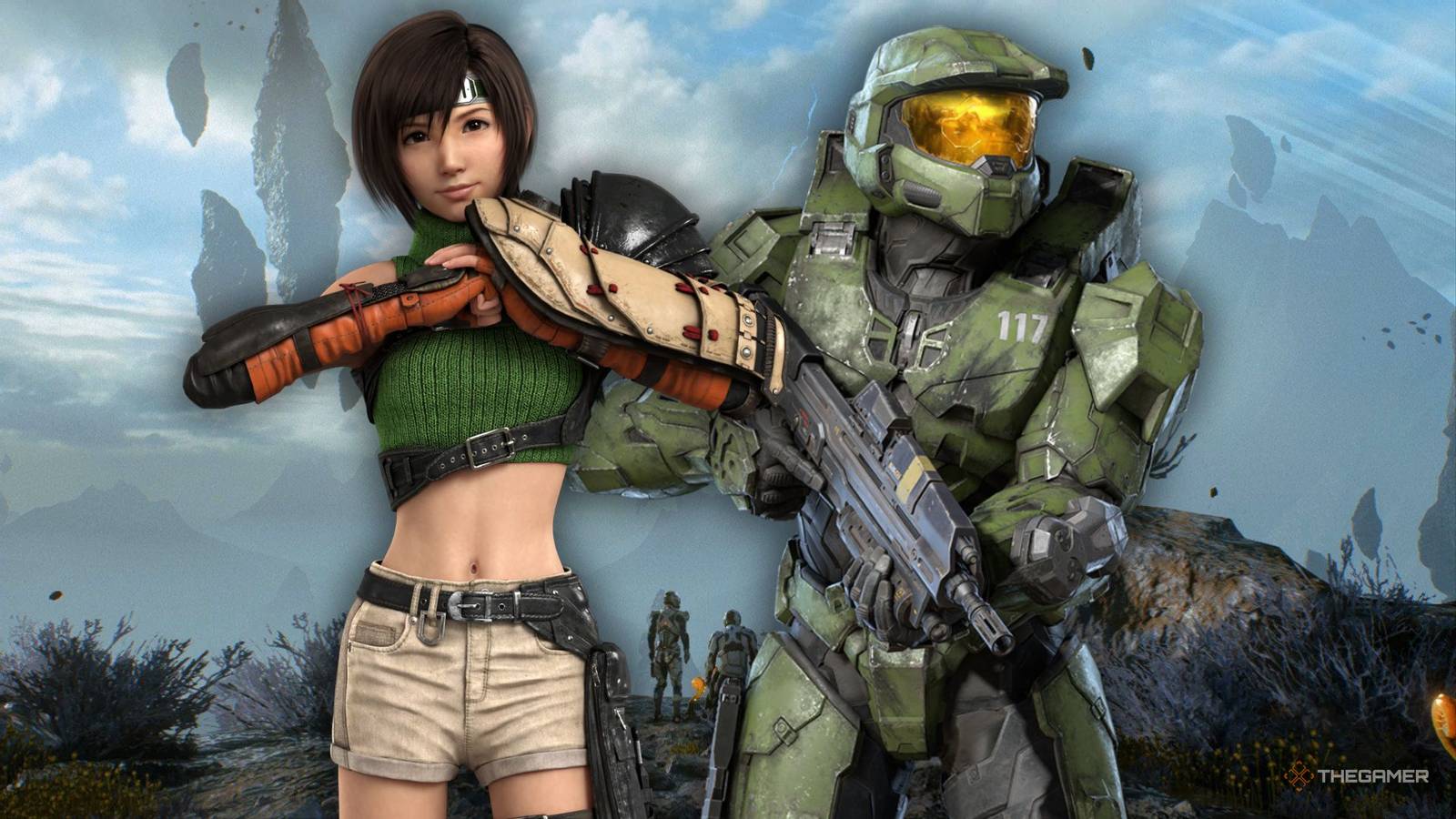
Halo

Wide open areas have always existed in the Halo universe, as the games often involve large-scale battles. But Halo Infinite took things a step further by including a true open world as you spend the game on a Halo ring. It's implemented quite well, as it's pretty fun to drive around the map in classic Halo vehicles. This means that much of the game feels a bit the same.
In the early Halo titles, you'll find yourself in all different locations, whether it's a desert, a beach, a city, a space station, or something else. Infinite's open-world format means you're almost always in similar-looking places. It hurts the overall experience.
10 great games from the PS2 era that would thrive in 2026
These PS2 games could come out today and people would still call them instant classics
