There are a lot of gamers, myself included, who struggle with taking the evil path in games. I find it interesting to see how NPCs react to the protagonist differently and the ways the storyline can change, but I really don’t like to raze villages and such just because. I like to be at least good-leaning in games whenever possible. I don’t like to ruin people’s lives in games, unless they’re villains who thoroughly deserve it. This doesn’t mean that I don’t enjoy certain kinds of carnage, though.

Best Games That Let You Be The Hero Or The Villain
Whether they want to be the world-saving hero, or tear the world apart ass the terrifying villain, these games give players the option to do both.
The fact is, every game approaches the concept of being bad differently. Some titles give you the option to follow an outright evil path if you wish, while others just let you be utterly mischievous and annoying (like a certain goose). Whatever the approach may be, if I feel too terrible about my decisions, I just don’t have any fun. All of these titles fit into either the former or latter camp, but the crucial thing they share in common is that, in their own unique ways, they each make it a real blast to be bad.
What’s That Weapon?
Identify the silhouettes before time runs out.
Identify the silhouettes before time runs out.
Easy (7.5s)Medium (5.0s)Hard (2.5s)Permadeath (2.5s)
7
Soul Sacrifice
Becoming The Ultimate Glass Cannon
I didn’t have any PS Vita-owning friends when Soul Sacrifice released in 2013, so I’d join multiplayer lobbies to get my fix of the online co-op play. The trouble was, I was much more welcome in random players’ teams when I was a Chaos build rather than a Divine one. If you remember the game, you’ll probably know exactly why: because it’s generally much more fun (and considered more effective) to be bad.
Soul Sacrifice is a kind of gothic, Brothers Grimm-esque take on Monster Hunter, wherein the player is a prisoner and seemingly-doomed human sacrifice of the sorcerer Magusar. Their only ally in their awful predicament is a sentient book called Librom, whose pages tell twisted fairytales of monsters’ battles against a famed sorcerer. Each monster’s story then becomes a battlefield, and when you defeat that creature, you must then sacrifice or spare them. This decision sees your character level up in Chaos or Divine respectively, with the former being the damage-focused option and the latter making you increasingly tanky and more support-oriented. Soul Sacrifice Delta‘s Neutral path (when your character’s level is exactly 50/50) still offers super high damage along with a bit more survivability, while the other two become more extreme in one direction or the other as you put points into it (either 99/1 or 1/99 being the maximum).
The concern, then, is that full Divine players would have very little impact on the battlefield in terms of damage, with only blood magic builds really being able to deal anything of significance there. They have some potent healing and support options, but for players wanting to farm bosses quickly, they were sometimes thought to just slow the process. You had to be super good to avoid damage as a max-Chaos player, but I found the thrill of tossing hugely damaging spells around while narrowly avoiding your doom to be much more fun.
6
Baldur’s Gate 3
The Urge For Evil
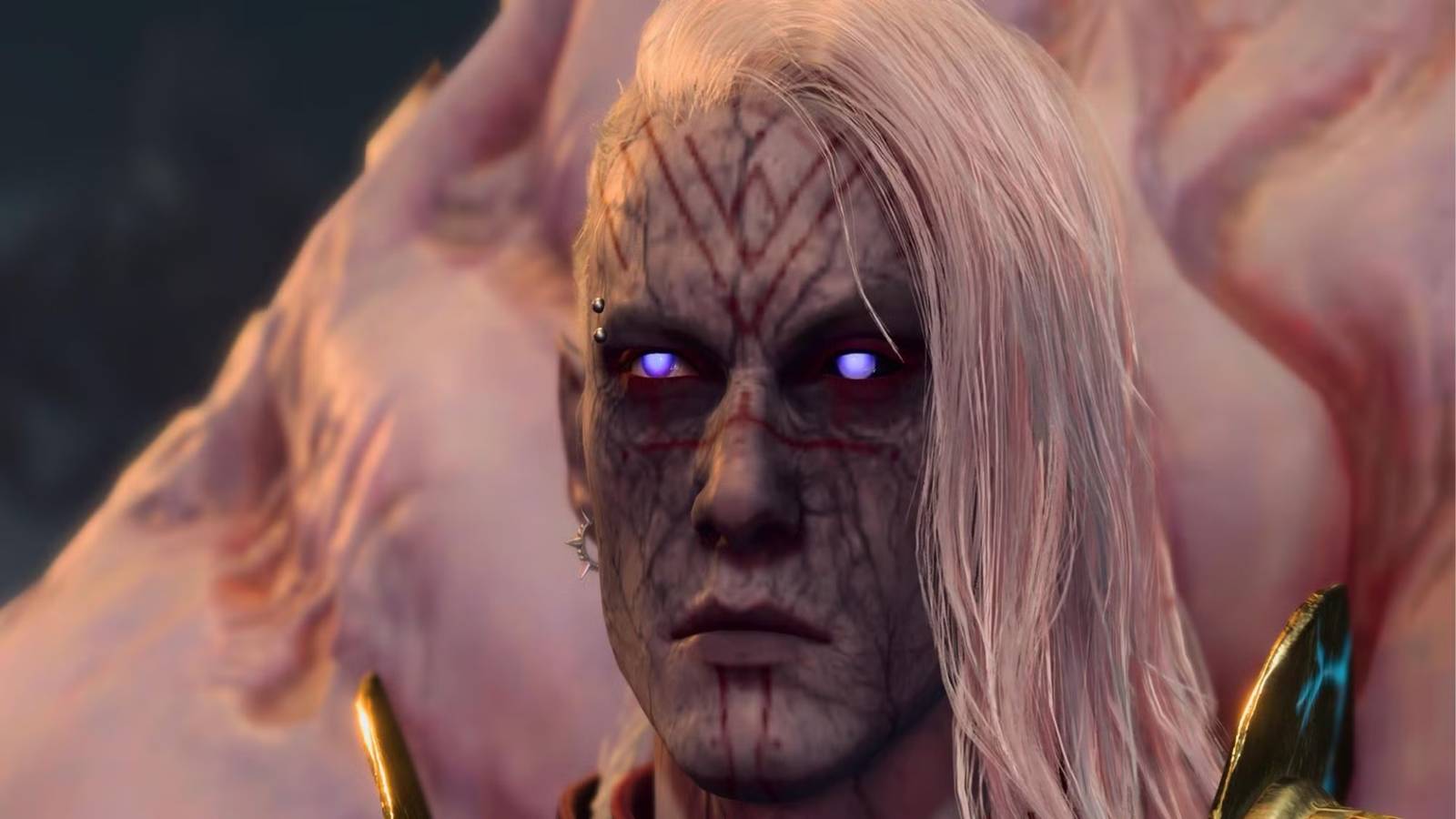
As I say, then, I don’t really like to play a villain without any depth, who’s just violence and cruel dialogue options for the sake of it. This isn’t to say that I don’t ever take the evil path when it’s handled in an interesting way, and when it really offers something different. One of the best recent examples of this, for me, is the Dark Urge’s story in Baldur’s Gate 3.
This origin character, wilder than even the most chaotic companions, isn’t simply ‘evil mode.’ As gloriously malevolent as they can be, you don’t actually have to submit to those urges and harm anybody. The Dark Urge is unable to remember their past and deeply conflicted about these thoughts and feelings, and there’s a lot of nuance to the way the player approaches them as a result. There are certain aspects of this campaign that I really couldn’t stomach (the potential attack on the Emerald Grove, and the tragic fate of perhaps my favorite character in the game, Alfira), but it was just so interesting that I was committed to finishing it in order to learn more about this unfortunate being. I’ve since played Dark Urge enough to see each of their possible endings, and I did appreciate that there was some kind of redeeming end to their arc available.
In a game as open-ended as this one, of course, you’re completely free to be bad outside of Dark Urge playthroughs. It depends how far you’re willing to push villainy, which characters you’ll befriend and which you may even betray, and for which rewards. Each run can just be so different, and that’s exactly why fans have played through the game so many times.
5
Tyranny
The Nature of Evil
In some RPGs with evil paths to pursue, the story ends with the world a blasted, dystopian nightmare. Tyranny takes a rather different direction: It starts that way, with the ‘villain’ already having won. The player’s role as a Fatebinder is to ensure that the word of Kyros is obeyed, which effectively makes the player the face of that regime (a little like the Sheriff of Nottingham in the tale of Robin Hood). However, you’re held back by this world’s strict systems just as much as those you terrorize. Or, if you choose, don’t terrorize.

10 Best Open-World Games With A Focus On Player Morality And Consequences, Ranked
Lots of games make players make tough decisions, but these open-world games are full of hard moral choices and dire consequences.
Tyranny‘s is a very bleak world, and one where there often isn’t a good moral decision to be made or happy ending for an NPC. As is typical of Obsidian Entertainment’s RPGs, there’s tremendous depth to the world, and to the conversations with its denizens. Several times, I had little choice but to make an awful decision that sealed somebody’s fate, but I wasn’t doing it out of mustache-twirling malevolence. The Fatebinder’s used as both tool and scapegoat by even more formidable forces, and it was constantly intriguing to see how decisions I made would resonate across different areas of this society. The potential consequences for the protagonist as well as the NPCs in question were very difficult to foresee at times. What also surprised me was the freedom you have to defy Kyros right back, rising in station and support and seeing other miltary factions react.
4
Vampyr
How Thirsty Are You?
As a history buff and horror fan who just can’t resist a creepy, unique concept, I was immediately intrigued by Vampyr. The game is set in London in the immediate aftermath of World War One, and stars Dr. Jonathan Reid. He has just returned to England when two significant things happen to him: He’s turned into a vampire and provided with a post at Pembroke Hospital. Both of these, in their own ways, are quite significant career moves. My favorite hero vampire in video games.
As he works to find the one who turned him and discover the source of the scourge, he is pursued by fellow vampires of various kinds (from the lowly Skals to more advanced bloodsuckers) as well as traditional vampire hunters. It could have been a simple action game alone, but as much as I enjoy the combat (Reid can wield primary and sub weapons as well as bite foes to drain their blood and other vampiric powers), I’m glad it isn’t. Vampyr has a huge focus on the concept of social bonds, and there are many, many conversations to be had with important NPCs. Each region of London has its own roster living there, and crafting medicines to heal their various ailments keeps each area ‘healthy.’ This was the way I played the first time, the role of the caring and hardworking doctor who kept this supernatural take on London healthy. It was slow work, because what you have to do for the evil ending is, instead, drain the blood of as many of them as possible.
Cruelly, the better you’ve gotten to know somebody via conversations, the more blood (or EXP) they’re worth when you lure them away to consume. You can then spend this huge burst of experience at a safe house to upgrade your abilities. Certain endings (as well as the health of districts) are reliant on leaving people alive, but if you spare everybody, your leveling becomes very slow. It was much more fitting to try for the good playthrough, I thought, because Reid grapple so much with his hunger and his true nature that it seemed wrong to just devour those NPCs. Doing so, though, makes you much stronger, and I had an absolute blast with the combat abiliities in this game. Throwing enemies around with vampiric fury and smashing effortlessly through encounters is just a feeling you need at times, and was worth my very sad conscience.
3
Goat Simulator
Pure Hilarious Silliness
There’s always space in the world of gaming, I think, for an experience that’s just pure silly fun. Embracing the chaos became the style again around the time that Untitled Goose Game became popular, and other developers have also demonstrated that you just can’t go wrong with an animal in a great, destructible playground.

Goat Simulator 3 – Wanted: Whistleblowers Quest Guide
Goat Simulator 3’s Whistleblowers quest can be challenging, but this guide will show players how to complete it.
Goat Simulator, needless to say, isn’t going to bring you to tears with its deep and emotional plot. There may be a few tears of laughter, though, as our little hairy hero Pilgor rampages around the unnamed town where the title is set. It’s just a wonderfully absurd sandbox, with very little in the way of actual objectives (there was no plot of any sort until the sequel). That was just fine for me, though, as I’ve had hours of fun blasting off on a jetpack with someone (or something) hitching a ride. The mechanics are just so simple, but because of the adhesive tongue of Pilgor, there’s not a lot that you can’t launch, destroy, or otherwise mess with. I haven’t messed with so many innocent drivers and pedestrians since Grand Theft Auto.
There is at least some structure to everything that’s unfolding on screen, in that different stunts and acts are worth points. There’s a high score of sorts to pursue. The best part, however, is going freestyle, seeing exactly what mischief you can get into, and reveling in the ludicrous glitches that will inevitably pop up.
2
Catlateral Damage
Unleash Furry Fury
I don’t currently have a cat of my own, but I have enough experience with these unique, chaotic souls to know that the stories are true: When they’re in that kind of a mood, no delicate item on a tabletop is safe. They can unleash completely unprovoked destruction whenever they wish, following it all up with a haughty demeanor that shows they just don’t care how you feel about it. Catlateral Damage was designed as a first-person simulator of the kitty experience, and though the gameplay is mostly just focused on sweeping objects off of high surfaces, there’s something cathartic and endlessly amusing about it.
If you’re one of those players who felt the need to smash and smash until you’d levelled most of a layer in Donkey Kong Bananza, this might be right up your street. Catlateral Damage tasks you with breaking a certain amount of destructible items in a stage, and you’ll be furiously jumping, climbing, and sweeping your paws in order to do so. You’ll progress from casually throwing plates from the dining table onto the ground to breaking a Tyrannosaurus Rex skeleton apart. In a nice touch, there’s a value meter that shows you exactly how much that item you’ve thoughtlessly broken apart was worth.
Satisfying if rather short-lived, and far from the deepest experience around, the game returned in 2021 as Catlateral Damage: Remeowstered. It lent a limited but appreciated sense of direction to the whole thing, with abilities to unlock and objectives to accomplish.
1
Grand Theft Auto 5
The Life of a Master Criminal
Grand Theft Auto 5‘s story begins with a flashback to a disastrous bank robbery, perfectly setting the tone for what will be a chaotic, violent and law-evading campaign. None of this was any surprise for fans of Rockstar’s iconic series, of course, but what this game did so well was drastically raise the stakes of exactly what you can do to be bad.
My previous favorite title in the series was Grand Theft Auto 2, and modifying my vehicles to spread kart racer-style oil slicks to mess with other drivers was one of my favorite things to do. Completing missions for different factions would endear you to them, but later in the series, things would evolve towards allowing you to develop your own highly illegitimate business operations.
Grand Theft Auto Online steadily expanded for years, ultimately giving players whole business empires of their own to command. I particularly enjoy those businesses like the Auto Shop, which allow you to take on perfectly legal jobs while potentially profiting from the illegal options they offer too. They’re not just unlocks that offer more income, but expand the player’s options and freedom in Los Santos, invaluable for that sense of progression that still keeps us playing. It feels great to be bad in this game, whether you’re plotting an elaborate heist with a group of friends in GTA Online or enjoying the satisfaction of a fun story mission pulled off well in the main game. Los Santos is a fascinating world of obscure references and endless opportunities.

All GTA 5 Cheats for PS5
Those playing the game on PlayStation can use these GTA 5 PS5 cheats to liven up the single-player experience.
